
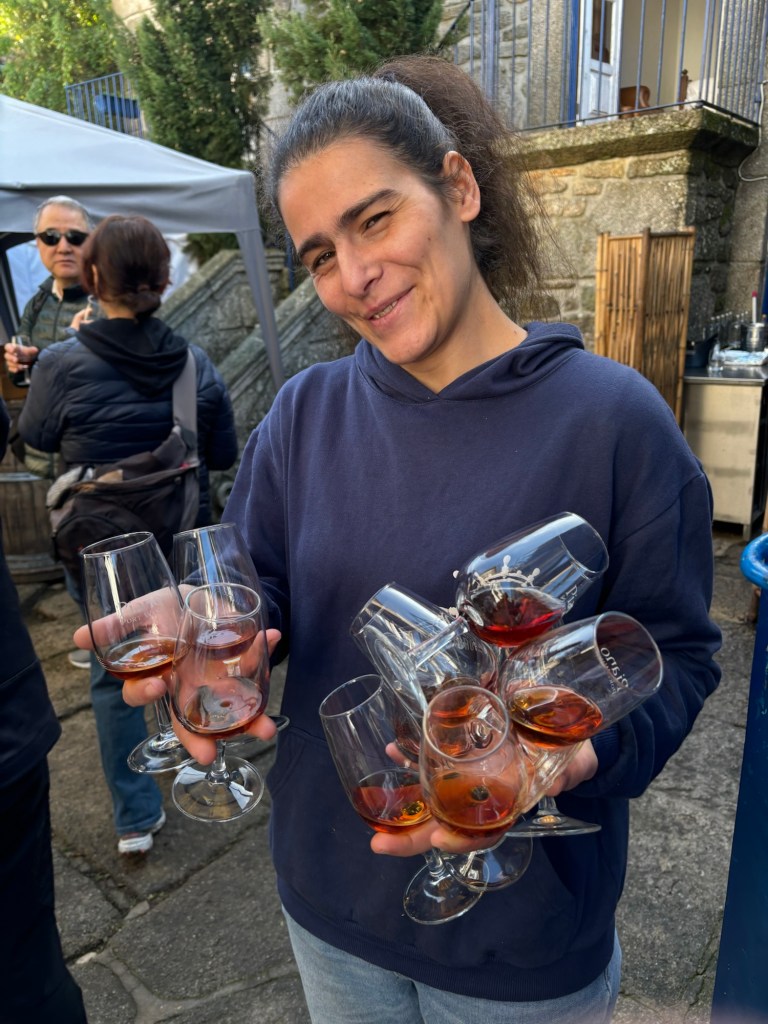
Our first stop on the wine tasting tour of theDouro Valley was at a small family owned vineyard, where the hospitality was fabulous.
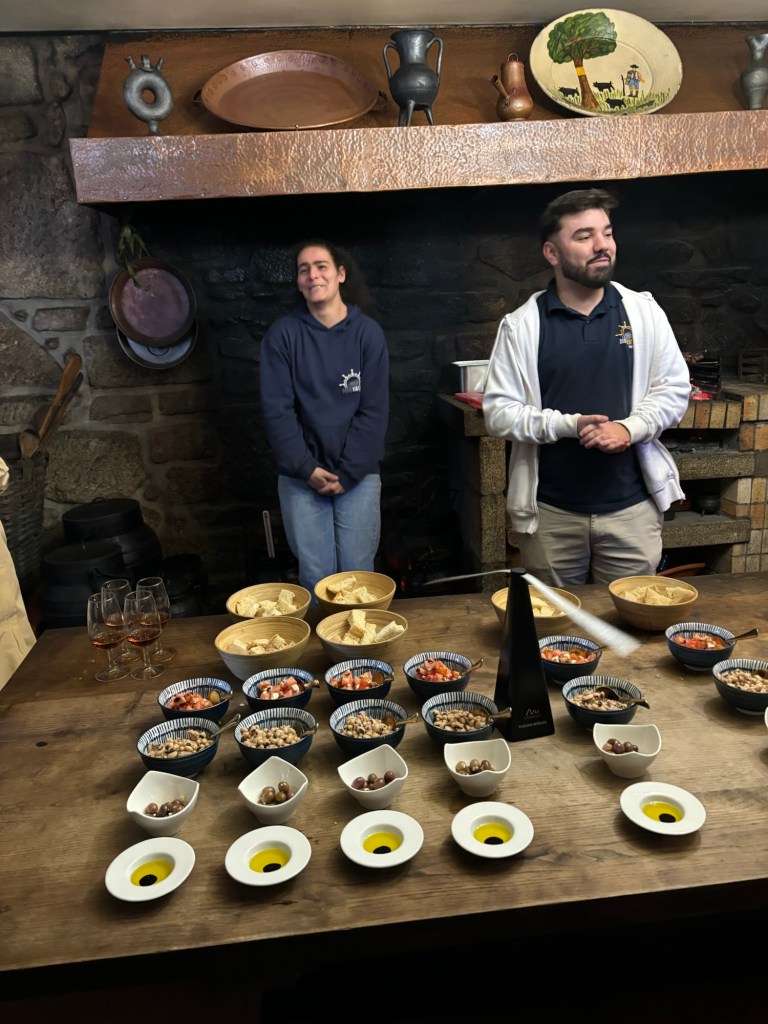
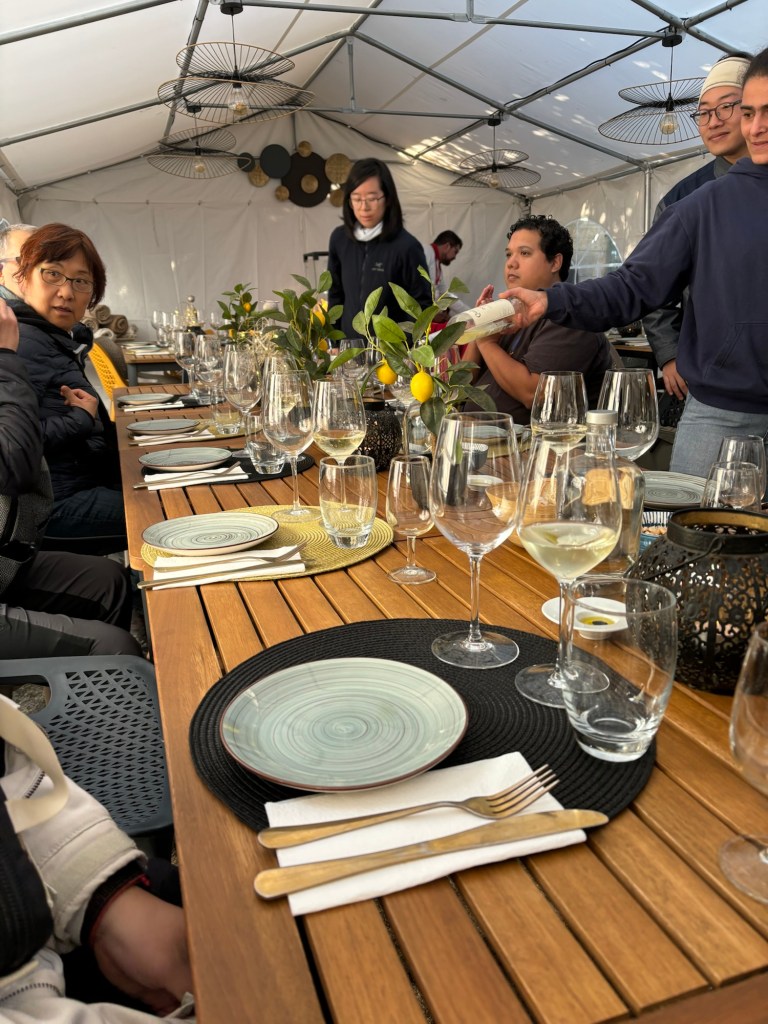
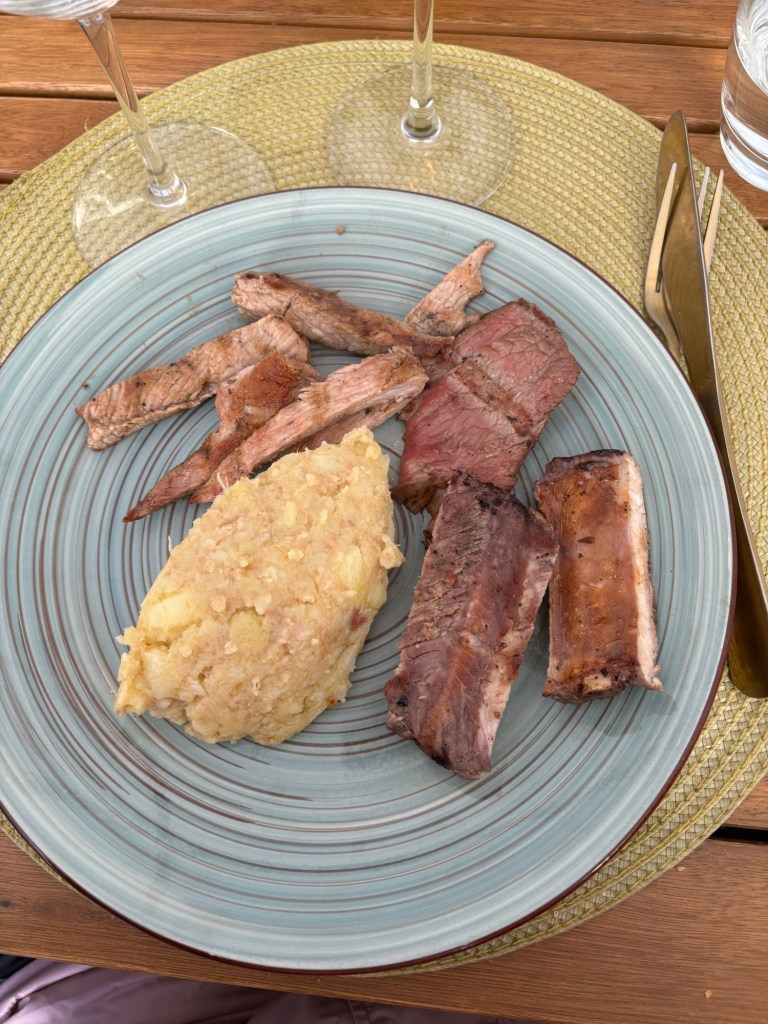
On our plate were mashed potatoes mixed with a sausage made from chicken and bread.  The potatoes were delicious as was everything else on the plate. The meats were roasted on a wood fire. 
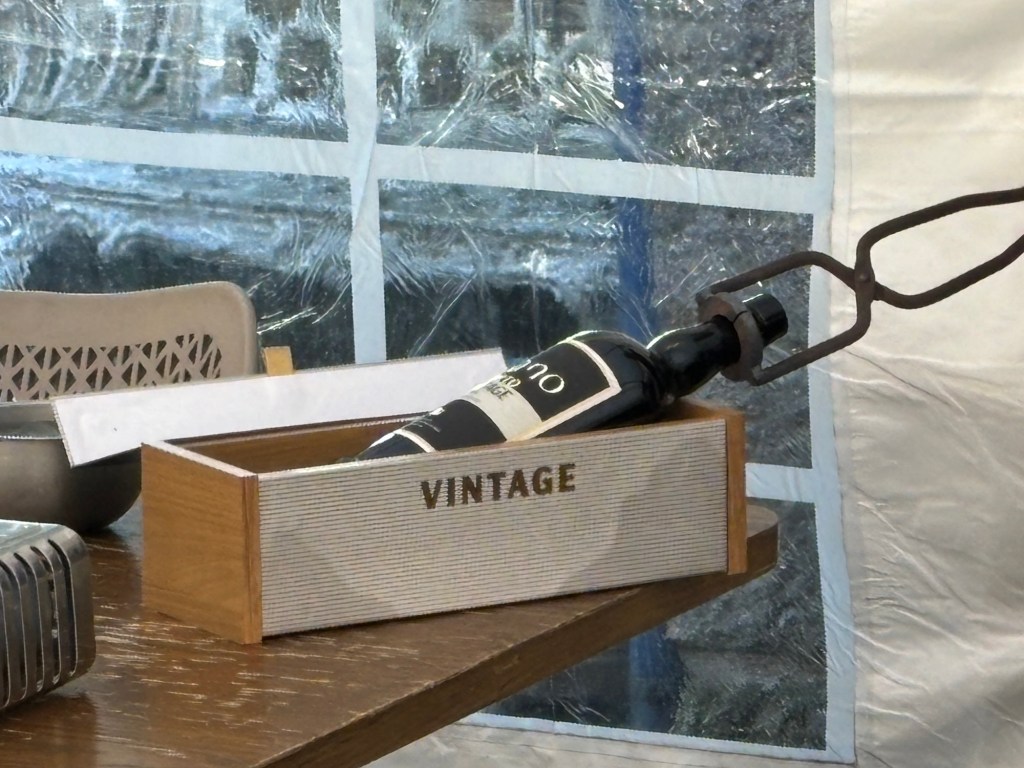
Vintage wine is aged 3, 5 or 7 years and is bottled unfiltered. As a consequence, the cork has deteriorated and the bottle must be opened in a special way. The metal tongs are heated and then grasp the neck of the bottle which then with ice water breaks the neck clean.
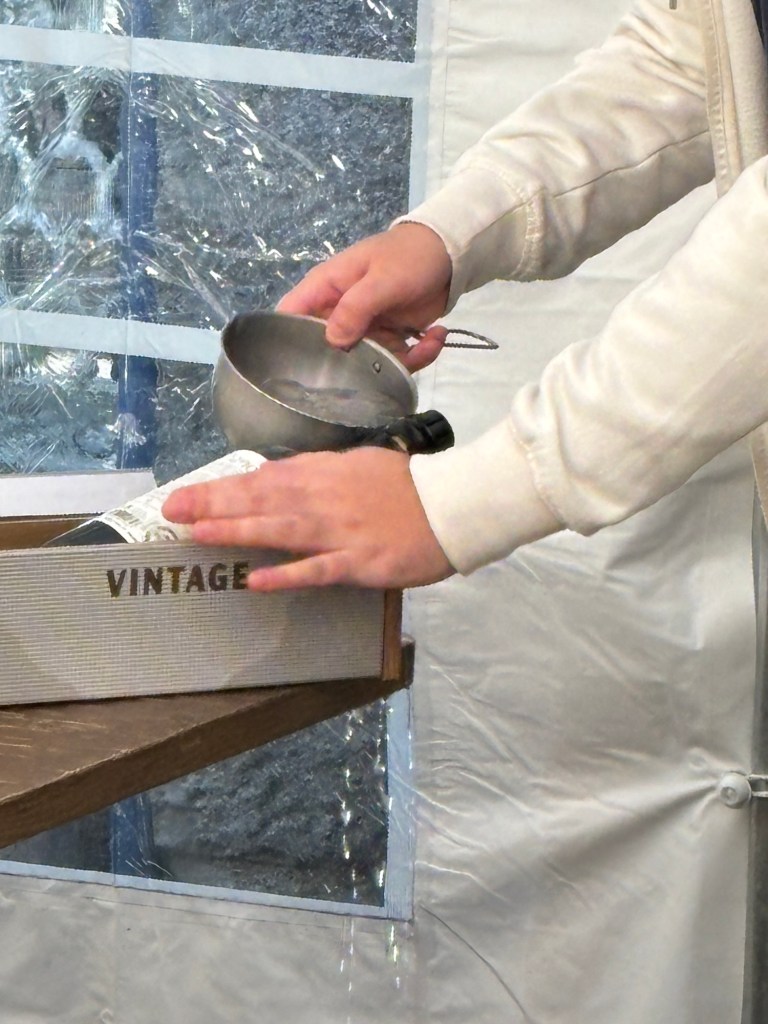
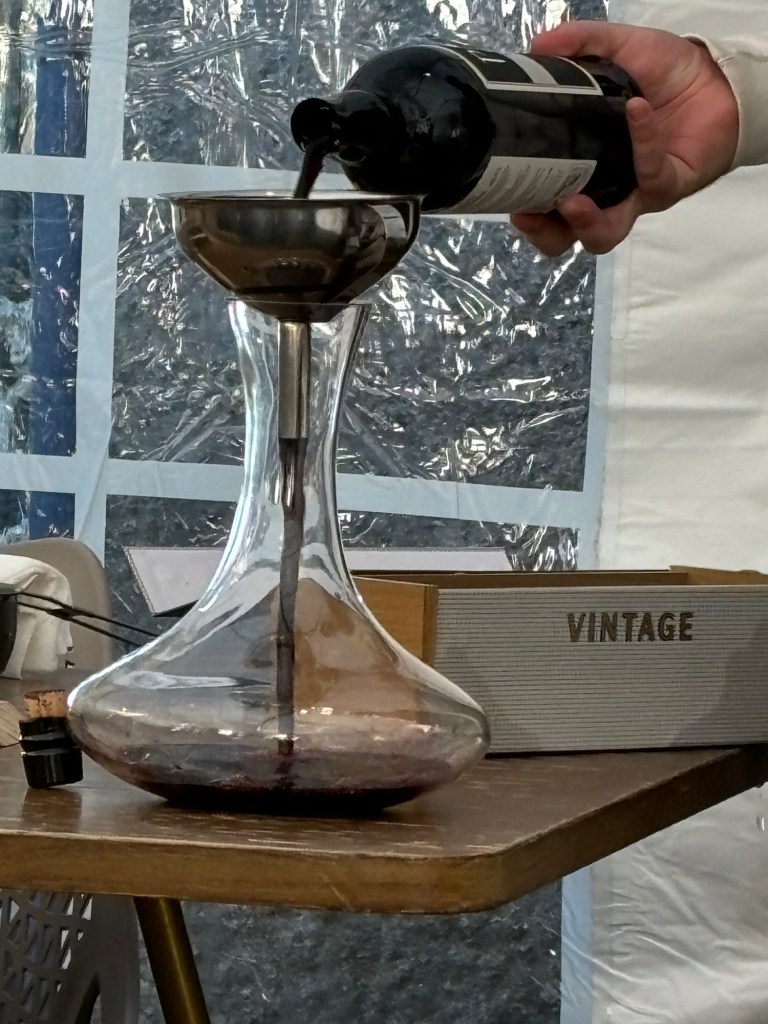
Filtering
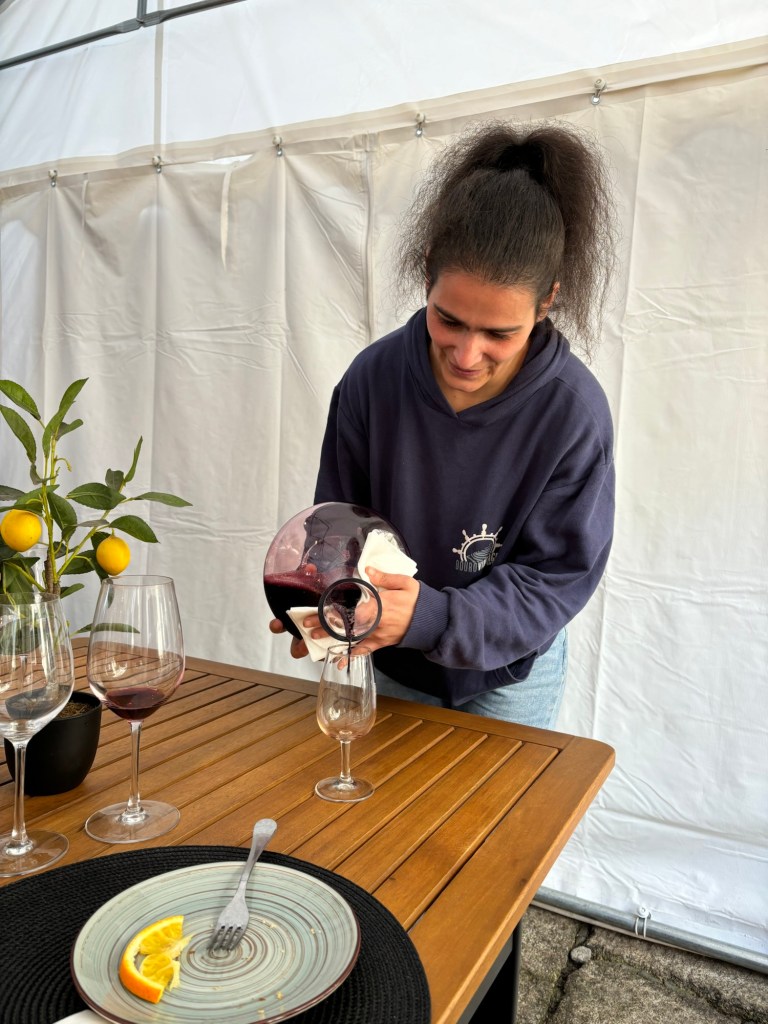
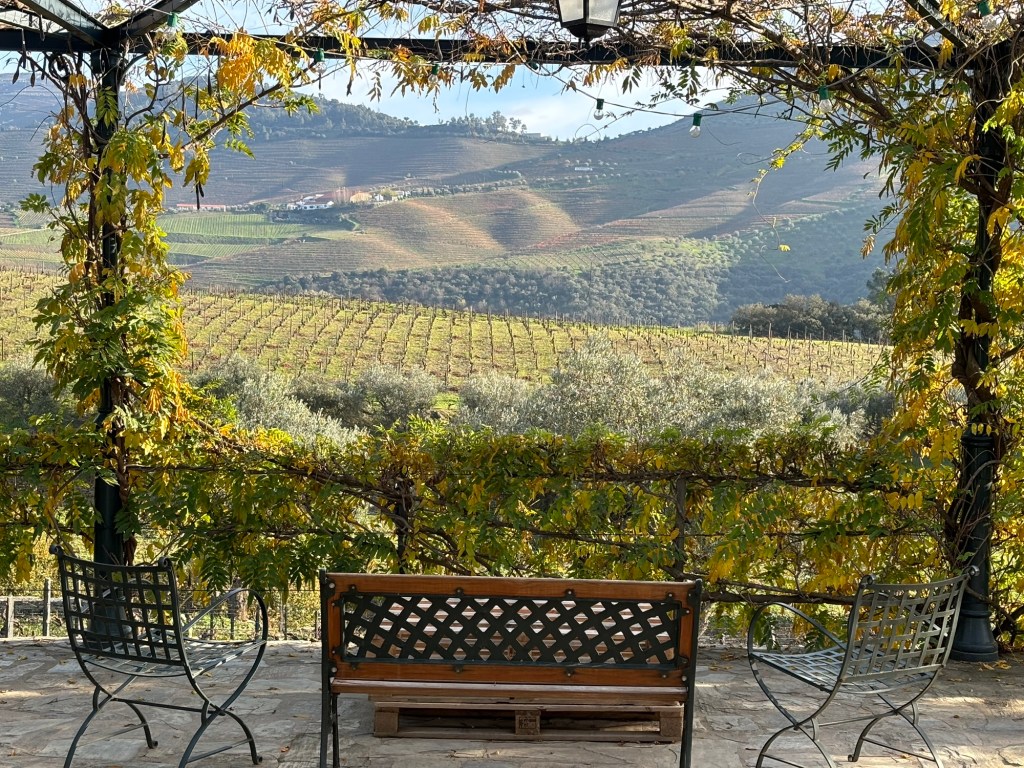
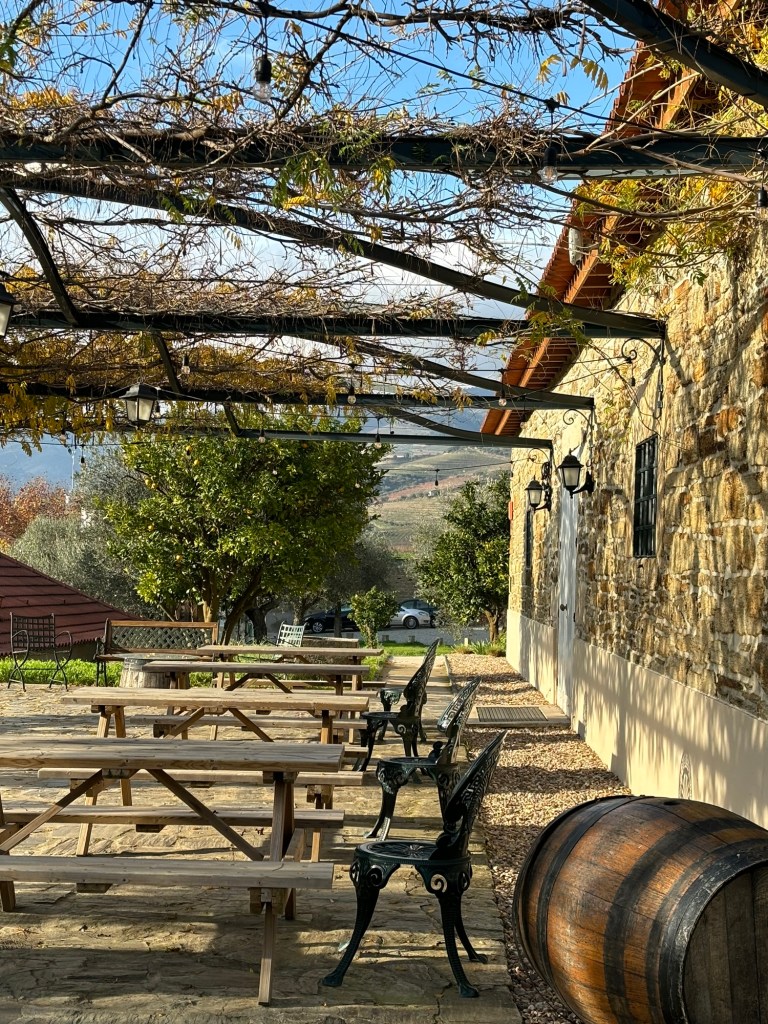
The second vineyard we visited was also family owned, but a much larger operation, and was a couple of hundred years old. 
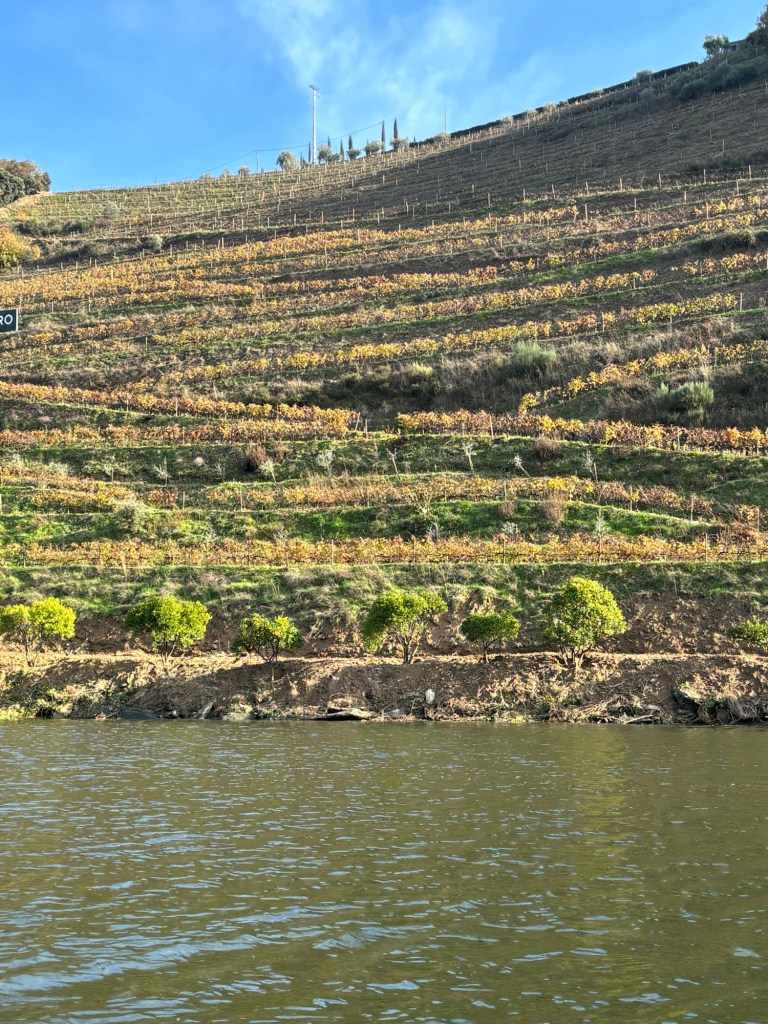
Our understanding of Port wine as created from grapes grown in the Douro valley follows: white grapes are fermented one day red grapes five days. This allows the fruitiness and sugars of the grapes to be retained in the wine. To stop the fermentation, a 77% alcoholic liquid made from leftovers of the brewing process, as is Brandy, is added. The wine is then aged in wooden oak barrels, the oak coming from France. Some product is aged in stainless steel tanks, but then is labeled differently. It is not “vintage”.
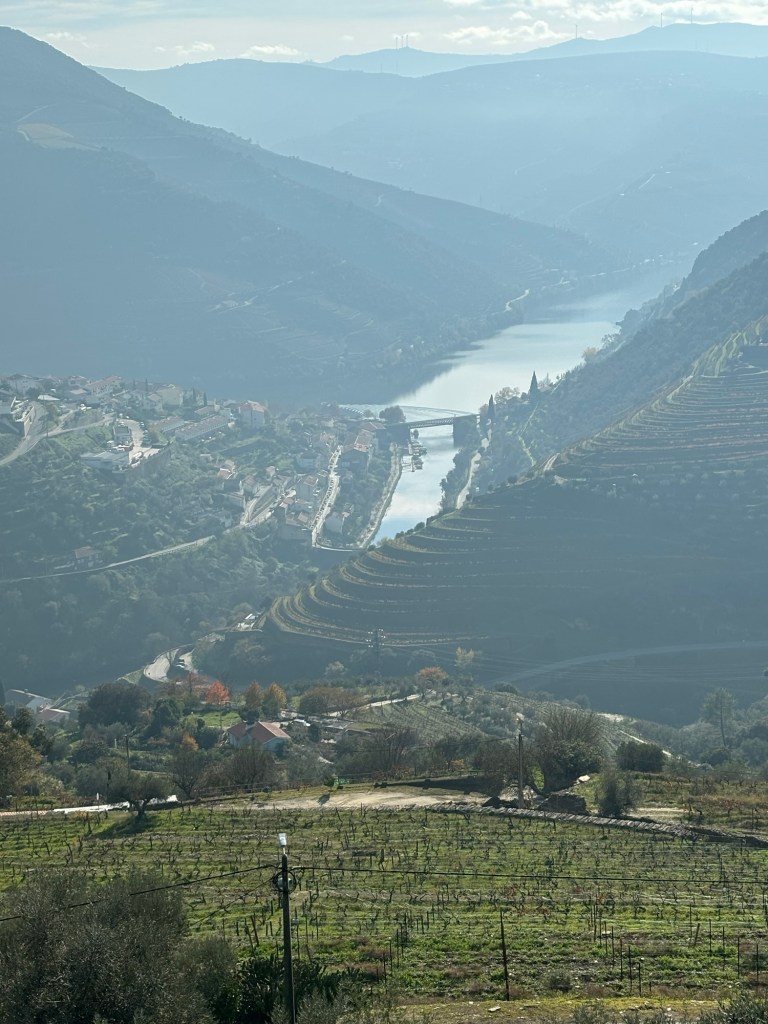
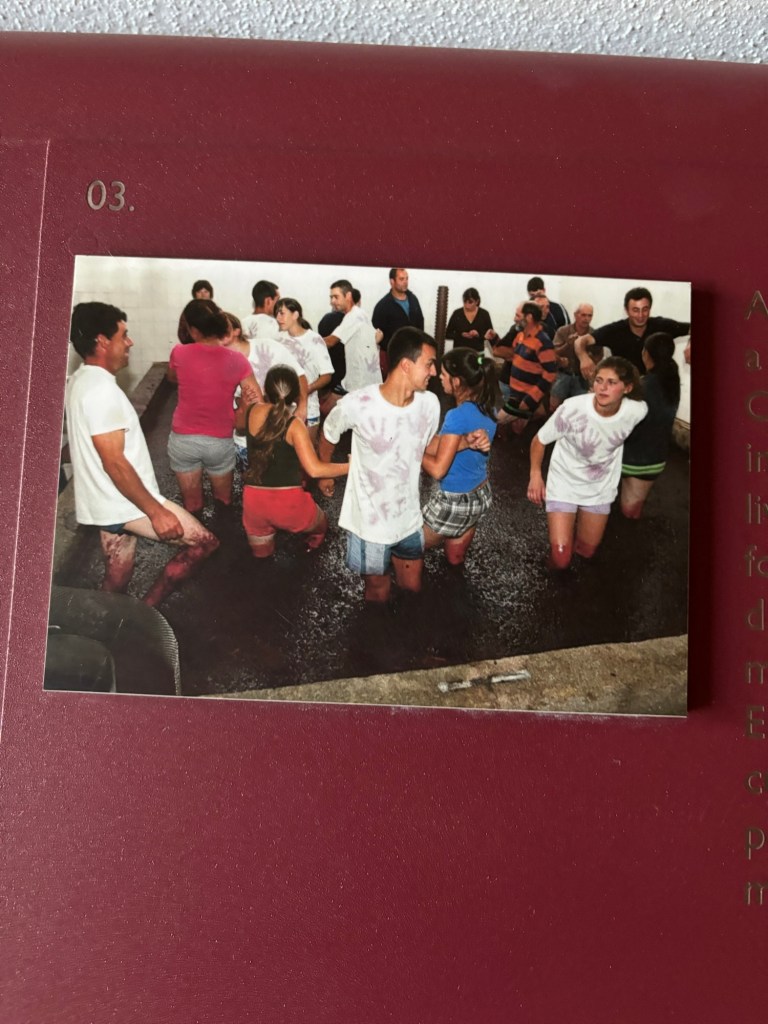
The process of making port is legally defined and somewhat licensed. Making port wine is a world heritage restricted production technique which prevents modernization. With climate change, the harvest time has changed by a couple of weeks. The hiring of laborers has become more difficult as the process is so labor-intensive. Grapes must be hand picked and hand carried in baskets which weigh sometimes up to 80 kg. Last year during the harvest, the temperature reached 52°C. The Douro Valley has a unique micro climate. Last year laborers came from India, Pakistan Lithuania and Romania.
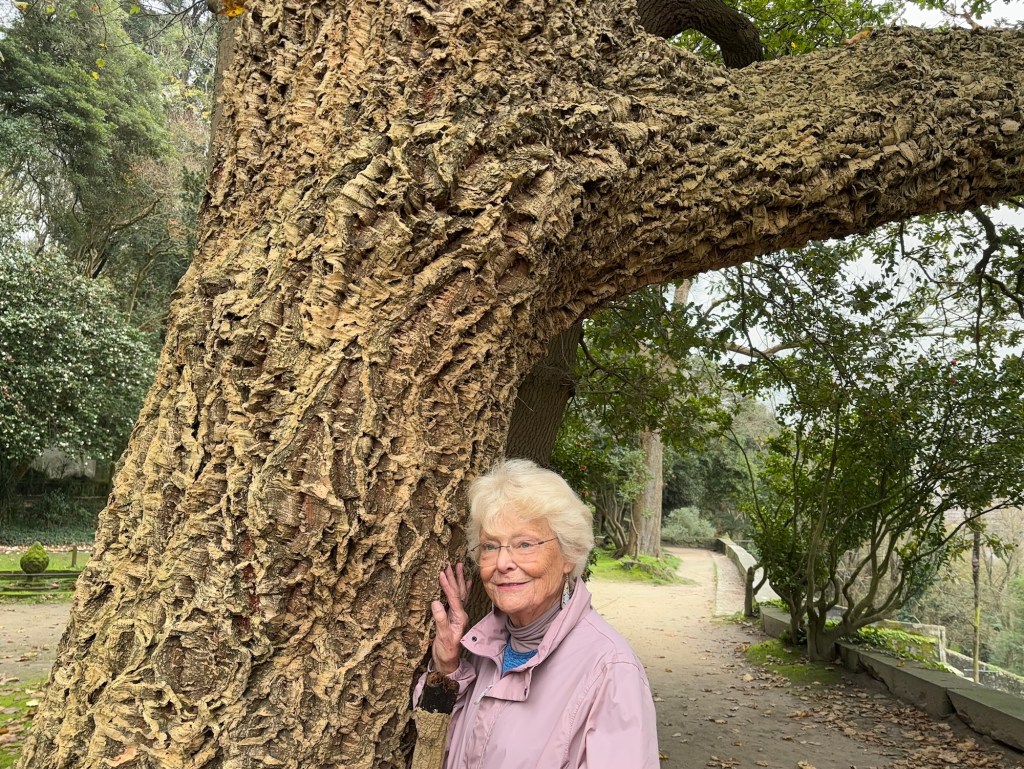
Portugal is the world leader in cork production, and only second in the world to the number of varieties of grapes grown. Only Italy has more variety. Other fortified wines are made even here in Portugal, but they cannot be called port. 
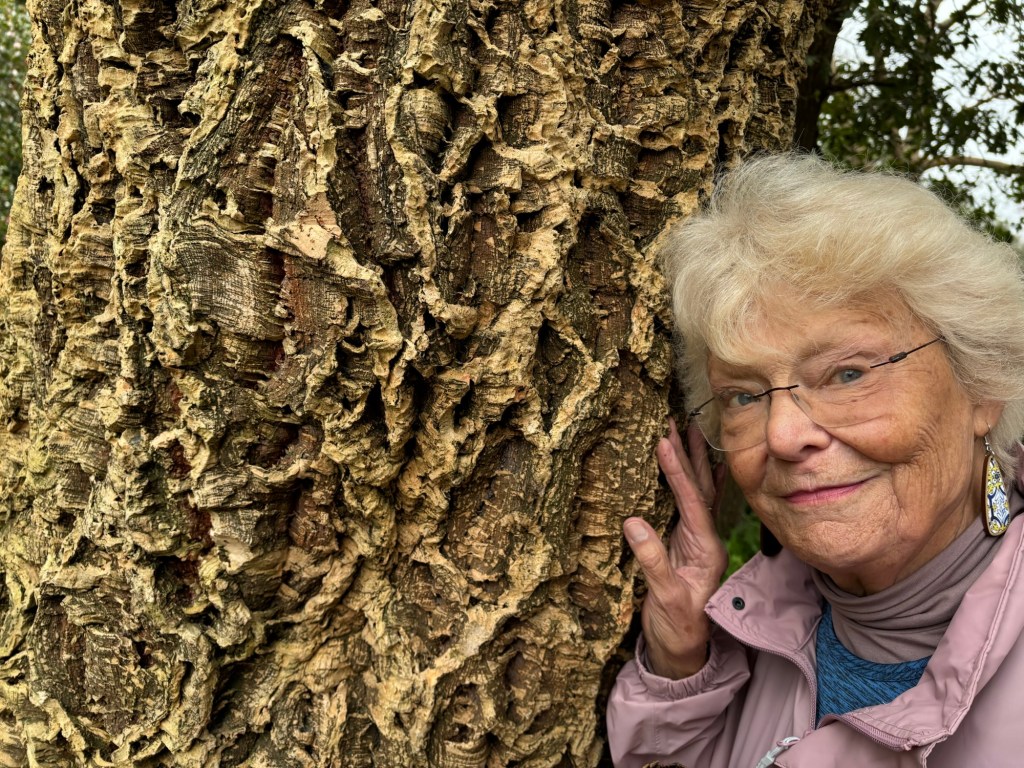
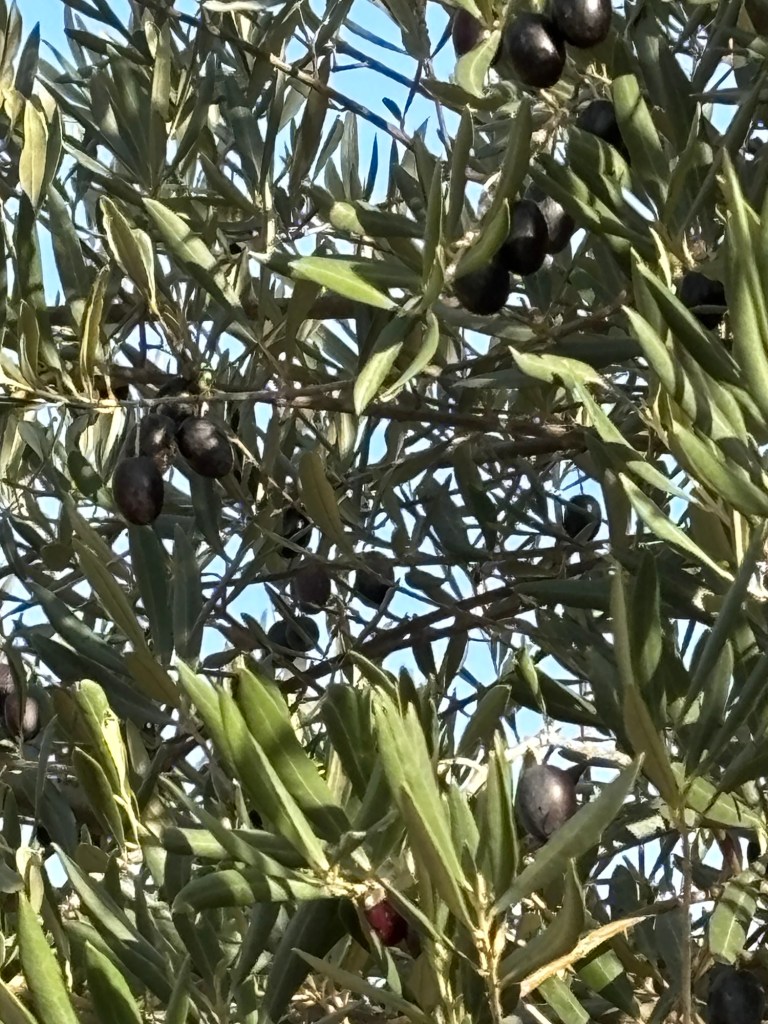
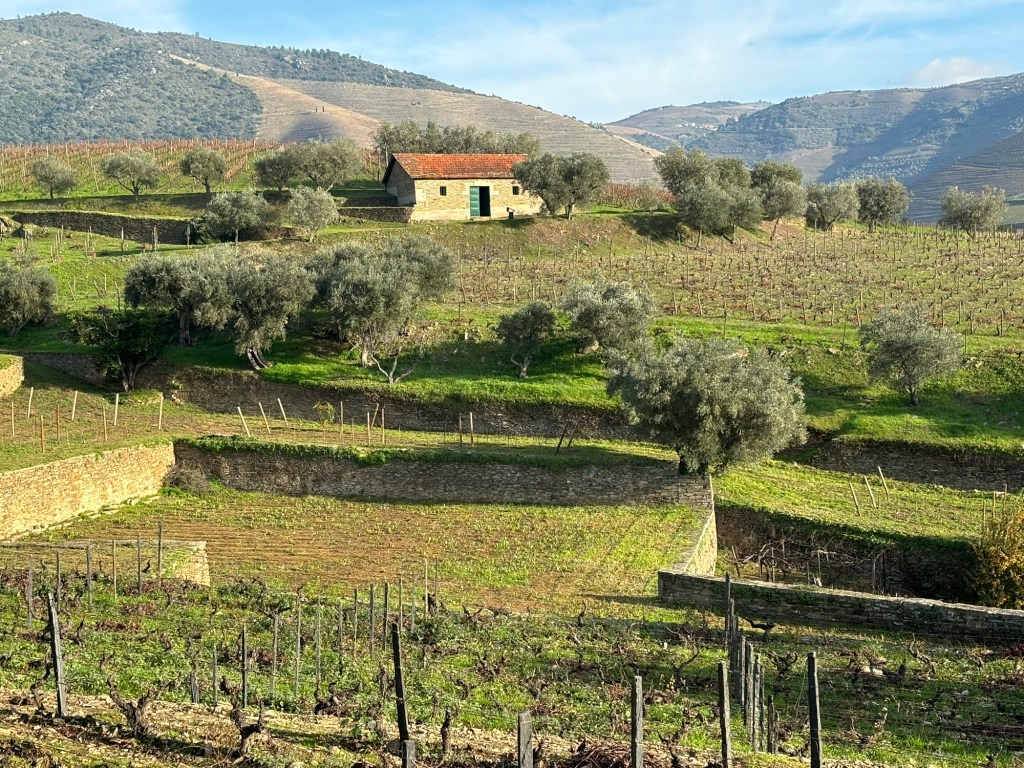
Olive trees are planted within the vineyards on steep slopes to help prevent erosion. This time of the year is when the olives are harvested. Raw olives, taste horrible.


Leave a Reply